
Used semi truck engines
Used Commercial Truck Engines for Sale
Choose the engine make and model, add your truck details, and we'll search for a matching used diesel engine nationwide.
By manufacturer
Choose your engine make

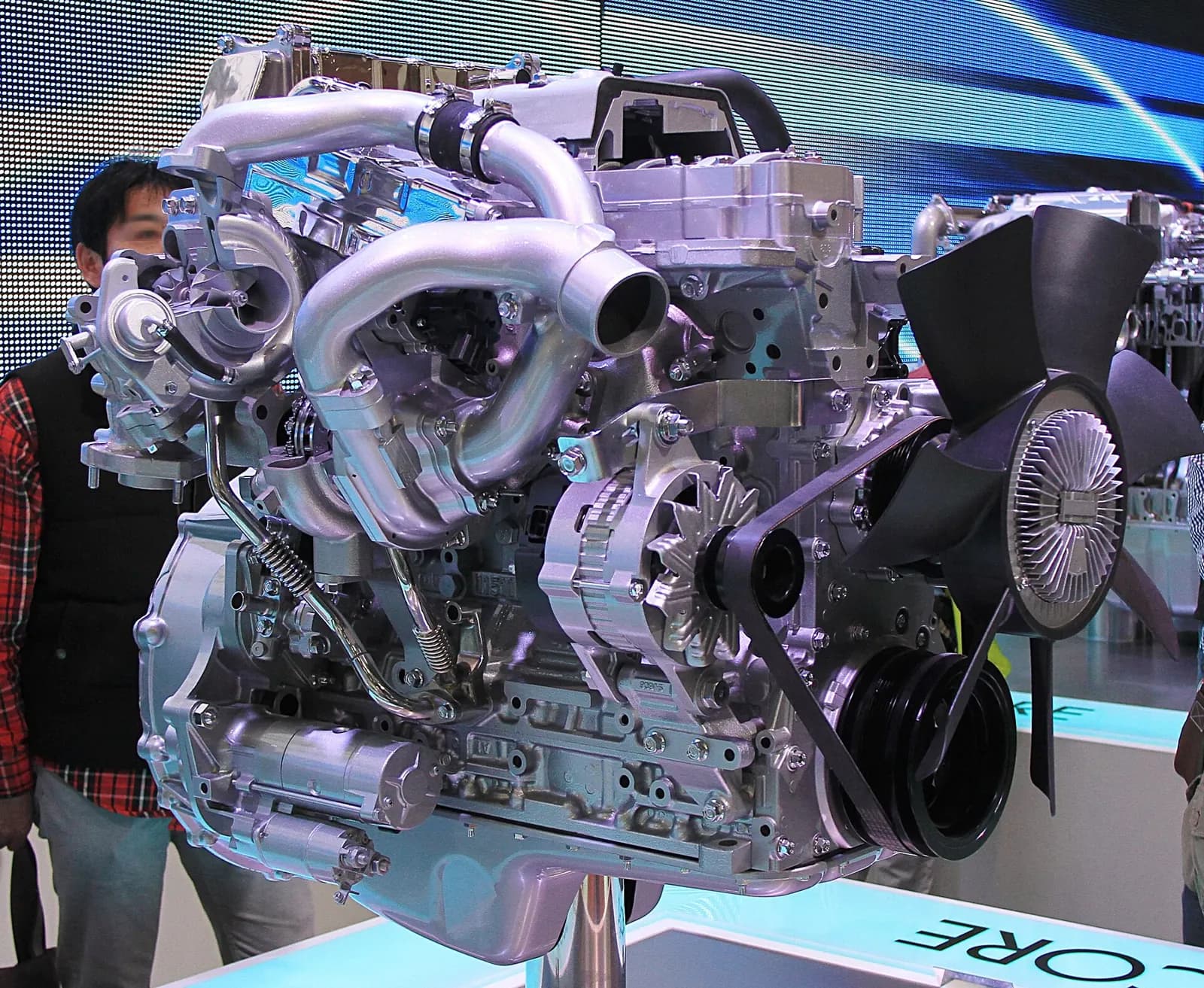
01Complete engine sourcing, matched to your build
A replacement engine is only a good deal if it bolts in and runs with the rest of your truck. That means matching more than the model name: the emissions generation, ECM and calibration, turbocharger, fuel system, aftertreatment, and the way accessories and wiring are arranged all vary inside a single engine family.
We start with the identification numbers on your current engine, confirm what your truck was built with, and then search supplier sources across the U.S. for a unit with the same or a compatible configuration. Before you commit, the quote spells out what the engine includes and what it doesn't.
- Long-block and complete-engine options where available
- Engine identification help by serial number, CPL or arrangement number
- Freight to your shop, yard or dealer arranged on request
02Engine families we search
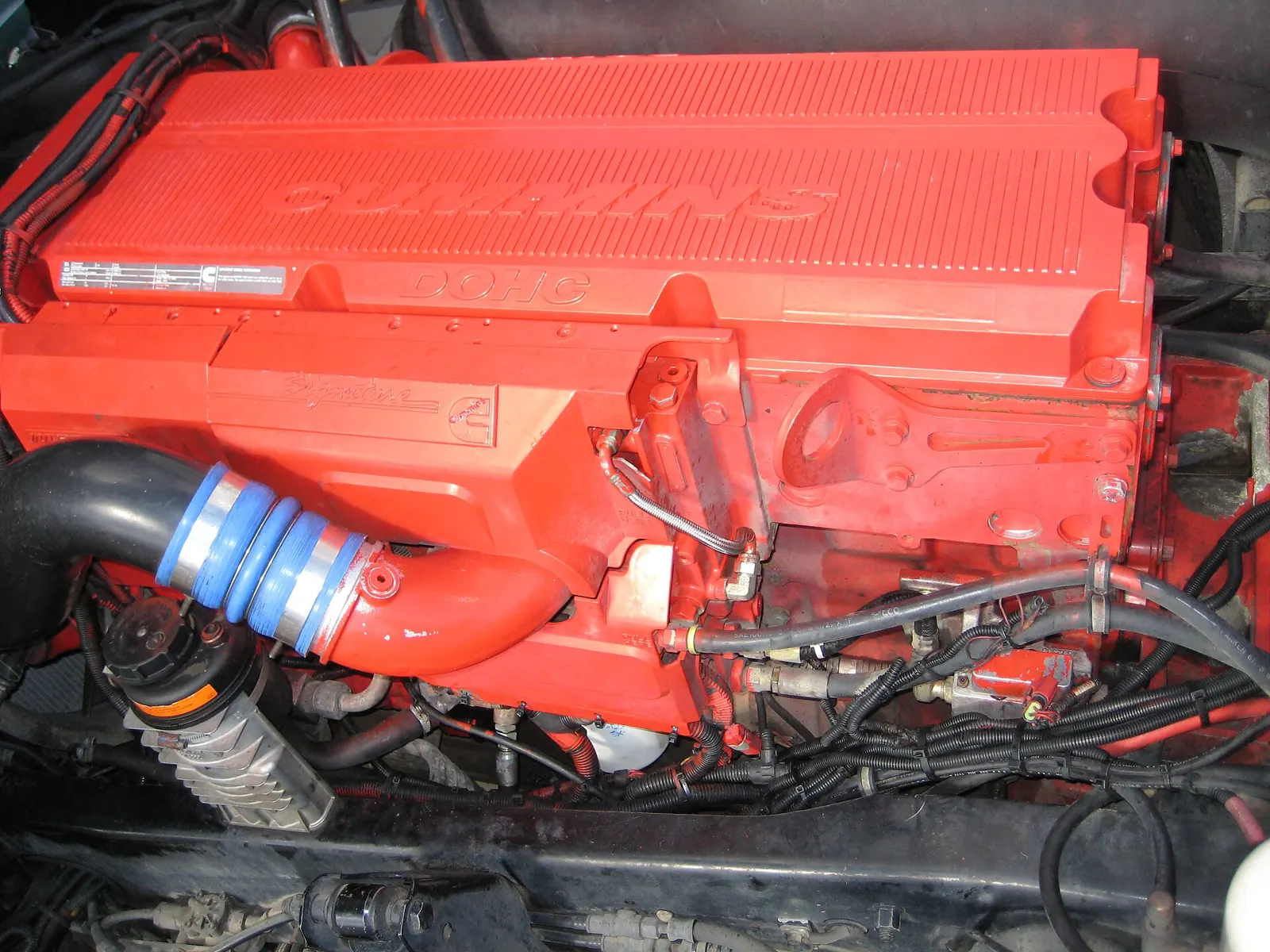
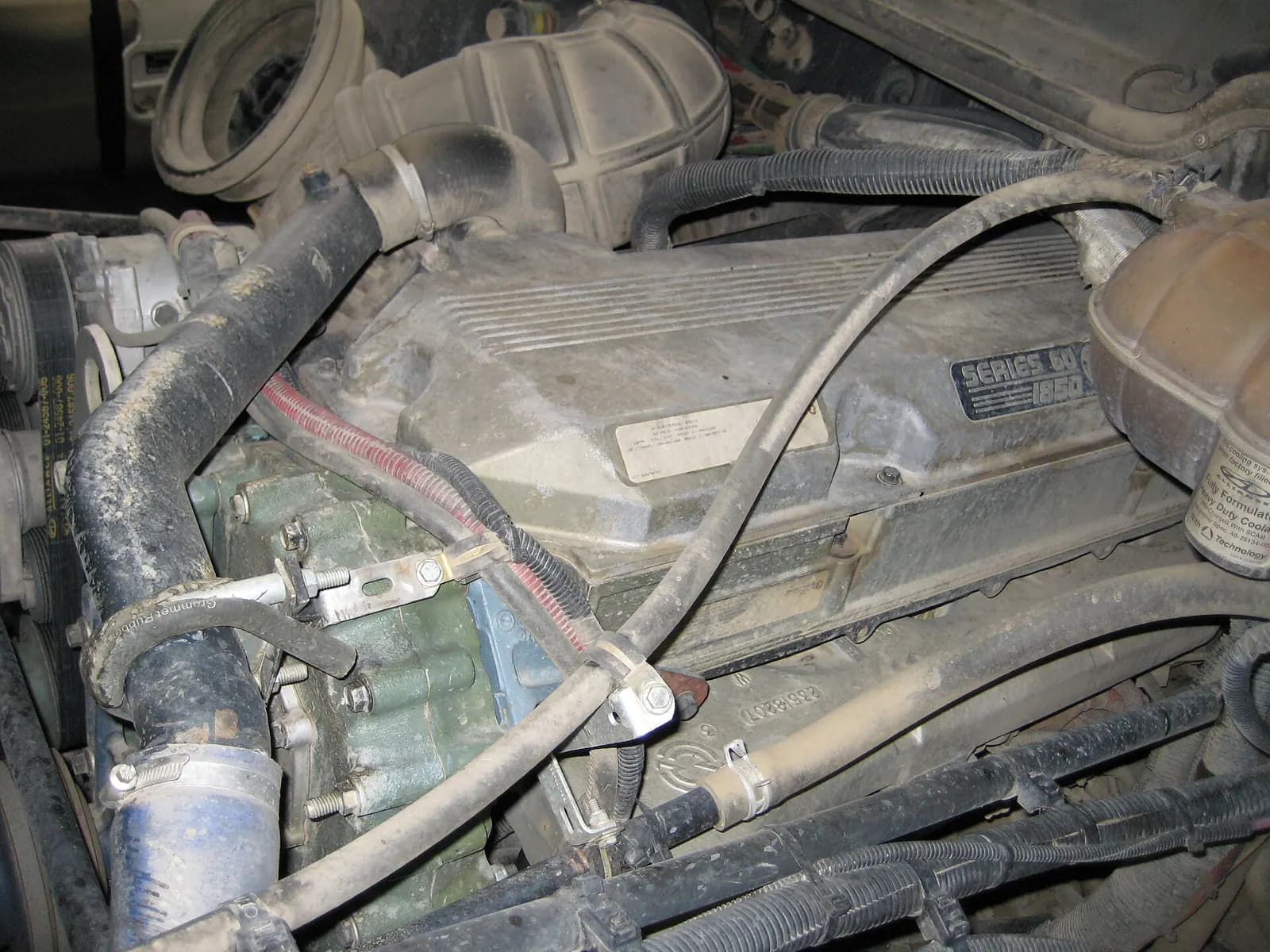
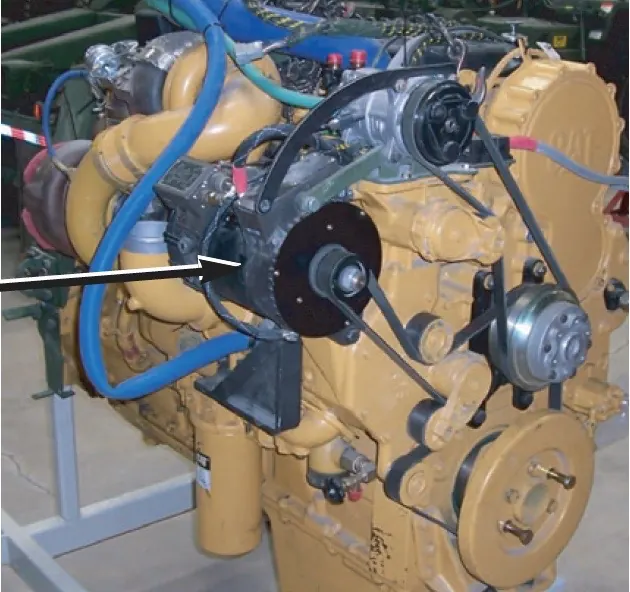
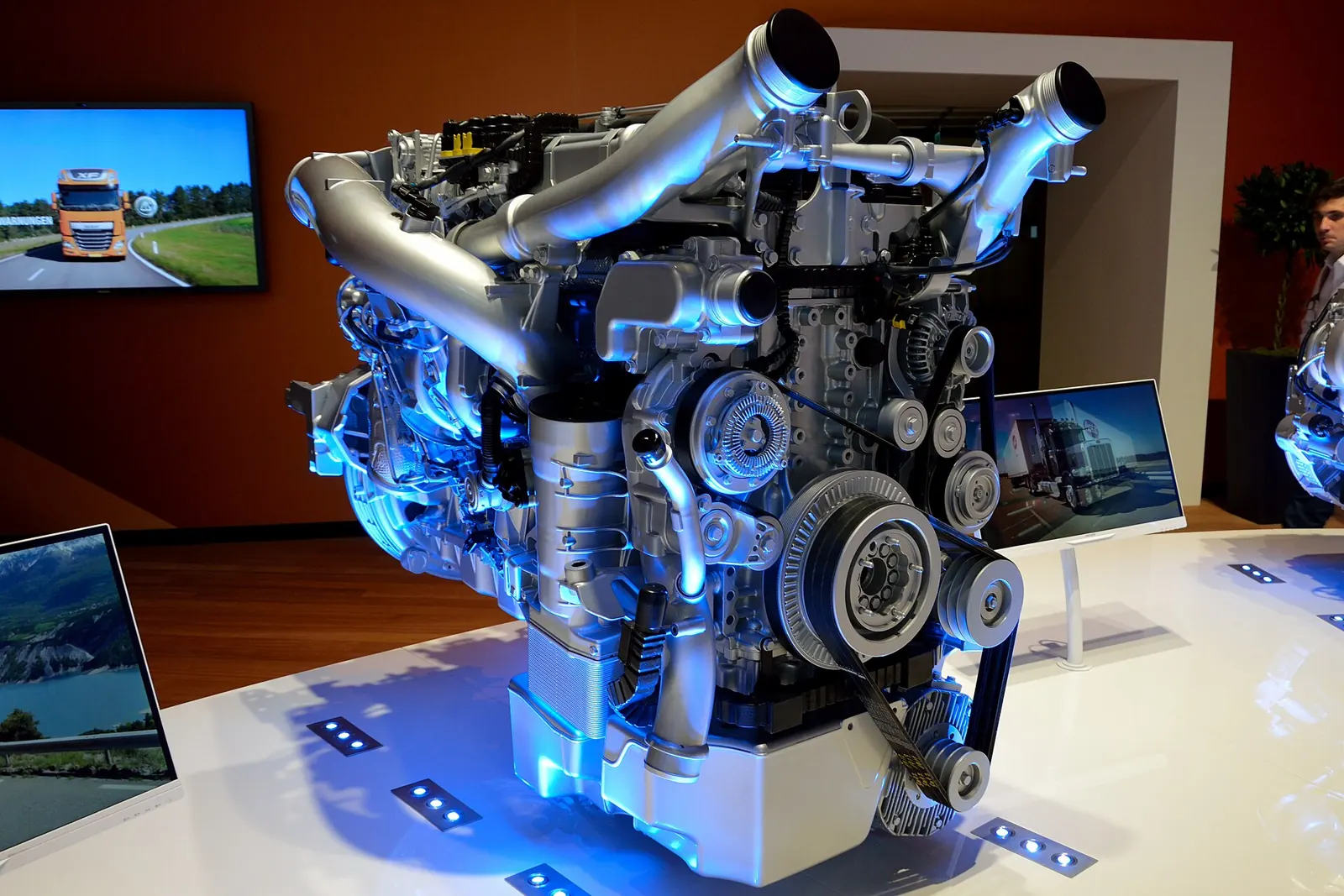
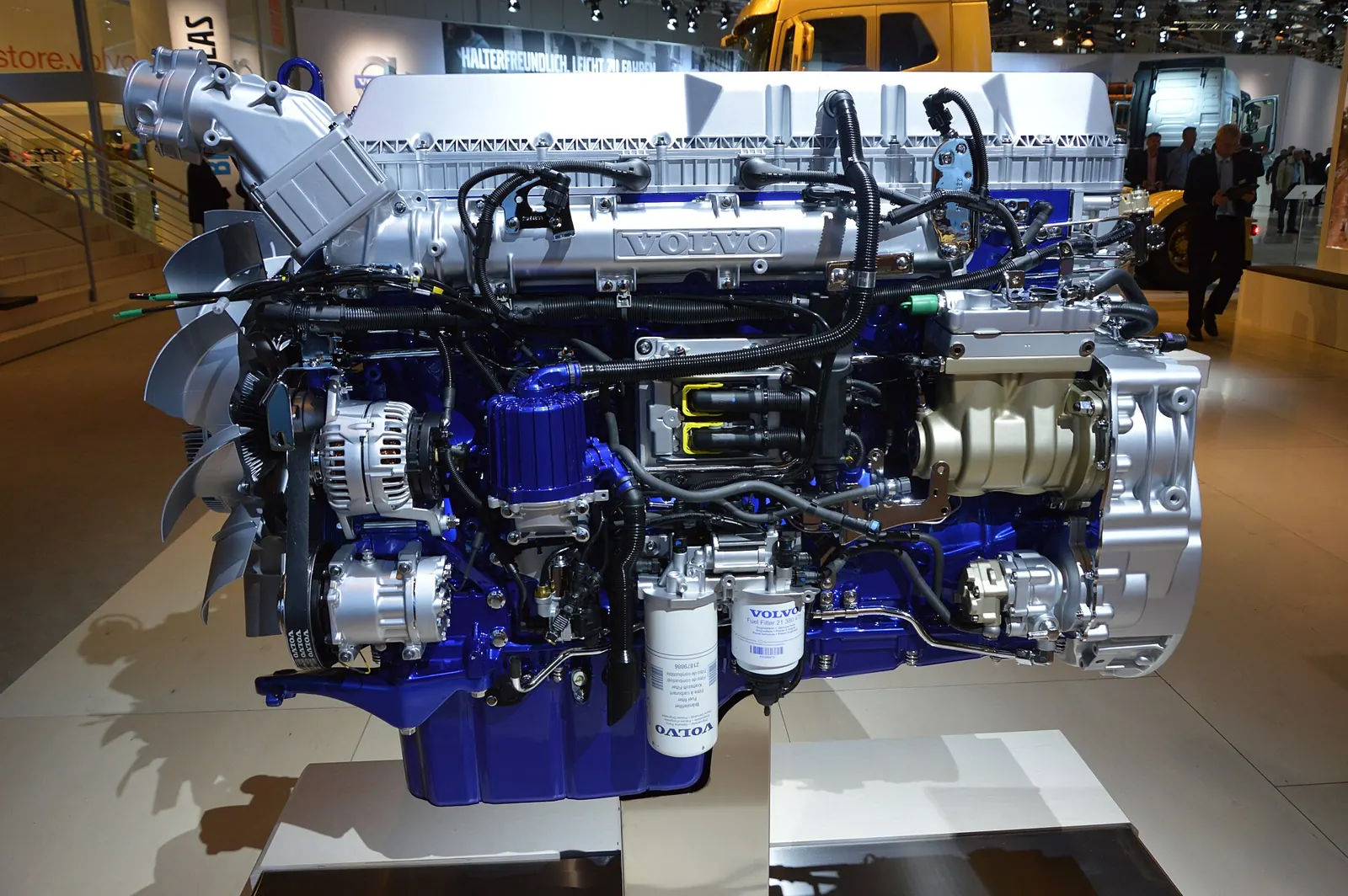
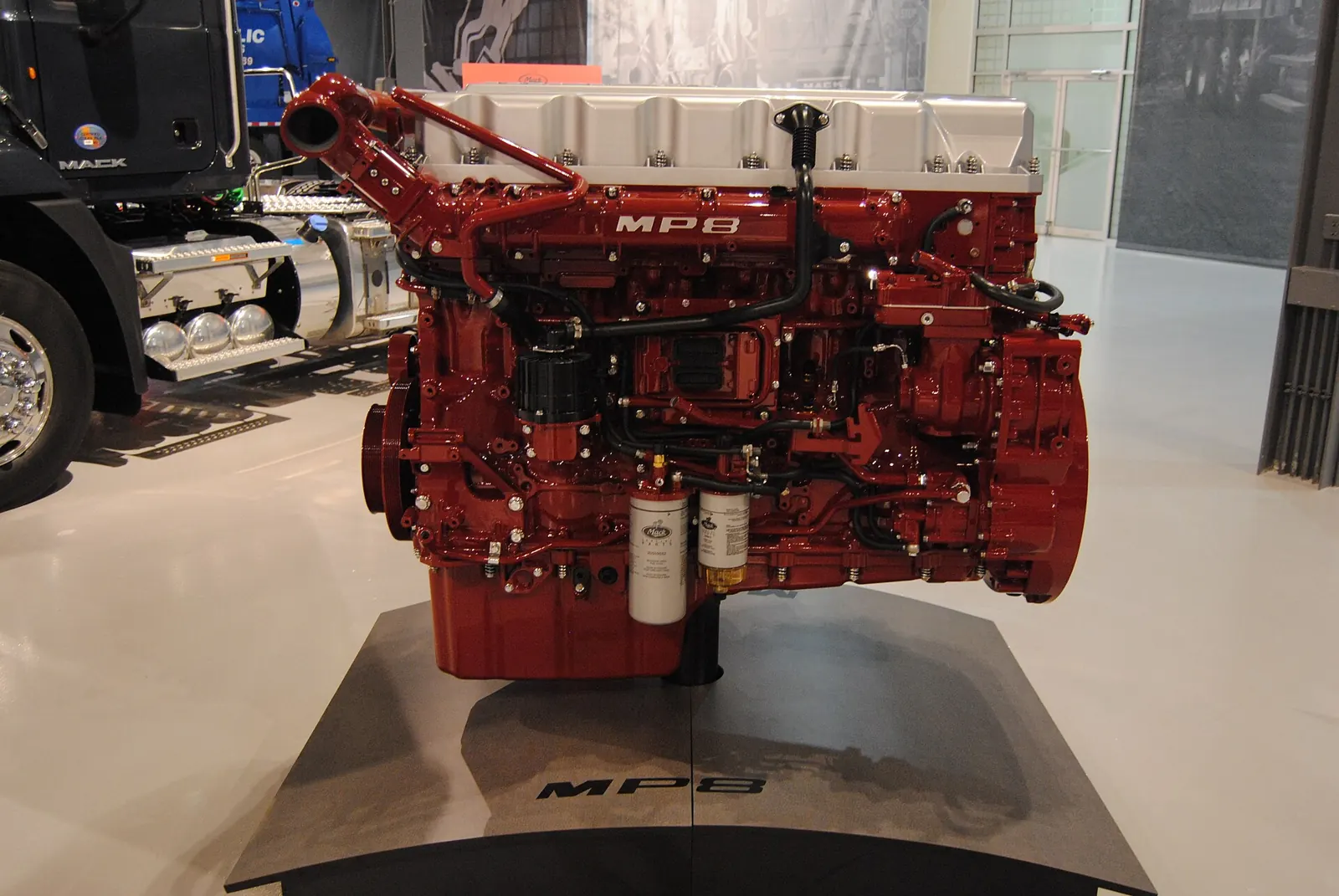
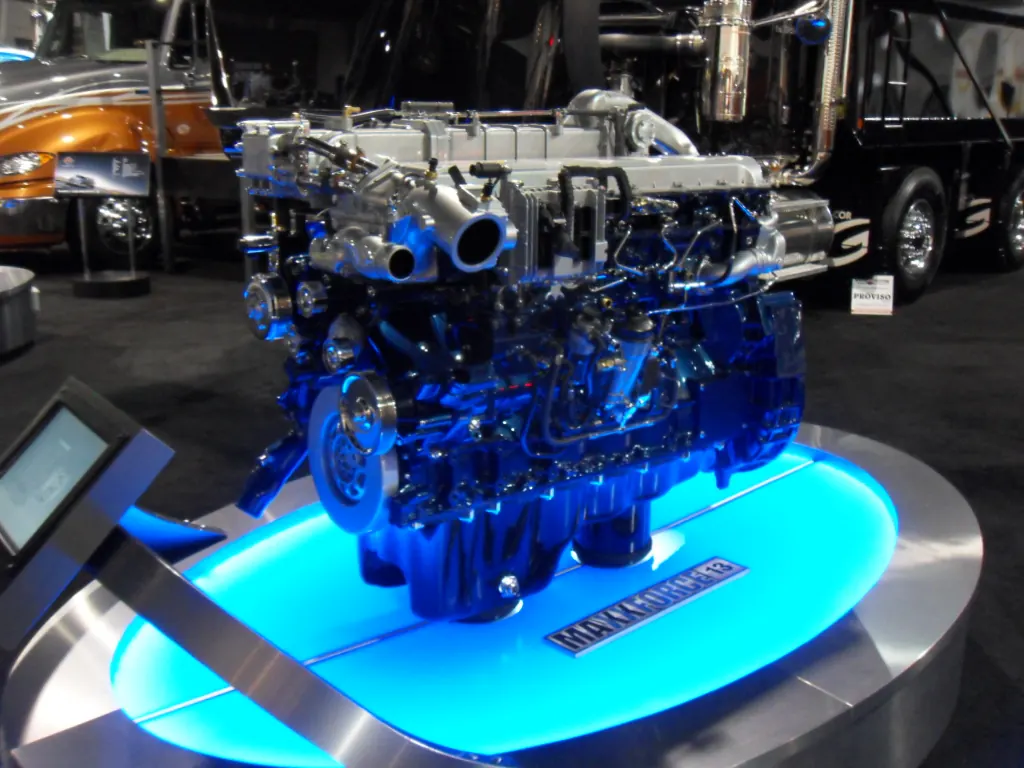
Most Class 8 highway trucks on U.S. roads run one of a handful of engine families. Cummins (X15, ISX15, ISX, ISM, L9, ISB 6.7) is found in nearly every truck brand. Detroit Diesel (DD15, DD13, DD16 and the older Series 60) is common in Freightliner and Western Star. PACCAR MX-13 and MX-11 engines are fitted to Peterbilt and Kenworth, while Volvo D13/D11 and Mack MP8/MP7 share a common engine platform within the Volvo Group. Caterpillar C15, C13, C12 and 3406E engines remain common in older highway trucks.
Each manufacturer page explains how that brand identifies its engines and what changed between generations, so you can confirm what you have before you call.
03Identify your engine: serial number, CPL and arrangement
The single most useful number is the engine serial number, found on the engine dataplate or label and often stamped into the block. With it, a supplier can trace the original build. Cummins engines also carry a Control Parts List (CPL) number that pins down the exact parts combination; Caterpillar uses a serial prefix and an arrangement number for the same purpose.
Take a clear photo of the dataplate before you call. If the label is missing or painted over, the truck VIN, the ECM, or your dealer's service records can usually recover the details.
- Engine serial number (ESN) from the dataplate or block
- CPL (Cummins) or arrangement number (Caterpillar)
- Truck VIN, year, make and model
- Horsepower rating and emissions year from the engine label
04Horsepower ratings and emissions generations
The same block can leave the factory at very different ratings, and emissions rules changed the hardware around it several times. U.S. on-highway diesel engines moved through major emissions stages — including the 2007 standards that brought diesel particulate filters and the 2010 standards that brought SCR with diesel exhaust fluid — followed by greenhouse-gas updates.
Swapping across emissions years can mean different ECMs, sensors, wiring and aftertreatment, and may raise compliance questions in your state. We match emissions year by default and flag it clearly if a proposed unit differs.
05Used, rebuilt or remanufactured
A used engine is pulled from a truck and sold in its as-removed condition, with whatever history the supplier can document. A rebuilt engine has been repaired and reassembled to a scope that varies by shop. A remanufactured engine is typically restored to a manufacturer or remanufacturer specification, usually on a core exchange basis.
Where more than one option is available for your engine, we'll explain the trade-offs in cost, downtime and documentation so you can choose.
06Questions to ask about any used engine
Condition information varies by supplier and by unit. These are the questions worth asking before you buy, and the answers we aim to get for you on the quote:
- Mileage or hours, and how they were documented
- Whether the engine was run before removal, and whether video or oil analysis is available
- Exactly what's included: turbo, ECM, wiring harness, fuel system, accessories
- Whether a core return is required, and its condition requirements
- Return or warranty terms offered by the supplier, in writing
07Freight and delivery
Complete engines typically ship by LTL or flatbed freight, secured to a skid. Delivery to a business with a forklift or dock is the simplest; residential, limited-access and liftgate deliveries can add cost. Inspect the unit before signing the delivery receipt and note any damage on the bill of lading.
FAQ
Frequently asked questions
What's the best way to find the right replacement engine?
Start with your engine serial number and the truck VIN. They let us confirm the original build — model, rating, emissions year and configuration — and search for a matching unit instead of guessing from the model name.
Can I put a different engine model in my truck?
Sometimes, but it's rarely simple. Mounts, cooling, wiring, ECM programming, transmission and aftertreatment all have to work together, and emissions compliance must be considered. We recommend matching the original engine unless a qualified shop has planned the swap.
Do you sell engines for medium-duty trucks?
Yes. Alongside Class 8 engines we help source medium-duty engines such as the Cummins ISB 6.7 and L9, PACCAR, International, Hino and Isuzu engines, subject to availability.
How do I get a price?
Call or fill in the quote form with your engine and truck details. Prices depend on the exact engine, its condition and freight, so we quote a specific unit rather than publishing price lists.
Can you help if I don't know my engine model?
Yes. Send a photo of the engine dataplate or give us the VIN, and we'll help identify it.
Ready when you are
Tell us what you're running. We'll start the search.
Have your engine serial number, CPL and VIN handy. If you don't, we'll help you find them.