
Cummins L9
Used Cummins L9 Engine for Sale
The L9 is Cummins' 8.9-liter engine for medium-duty and vocational vehicles, successor to the ISL9. Send us your ESN, CPL and application and we search supplier sources nationwide for a matching used L9.
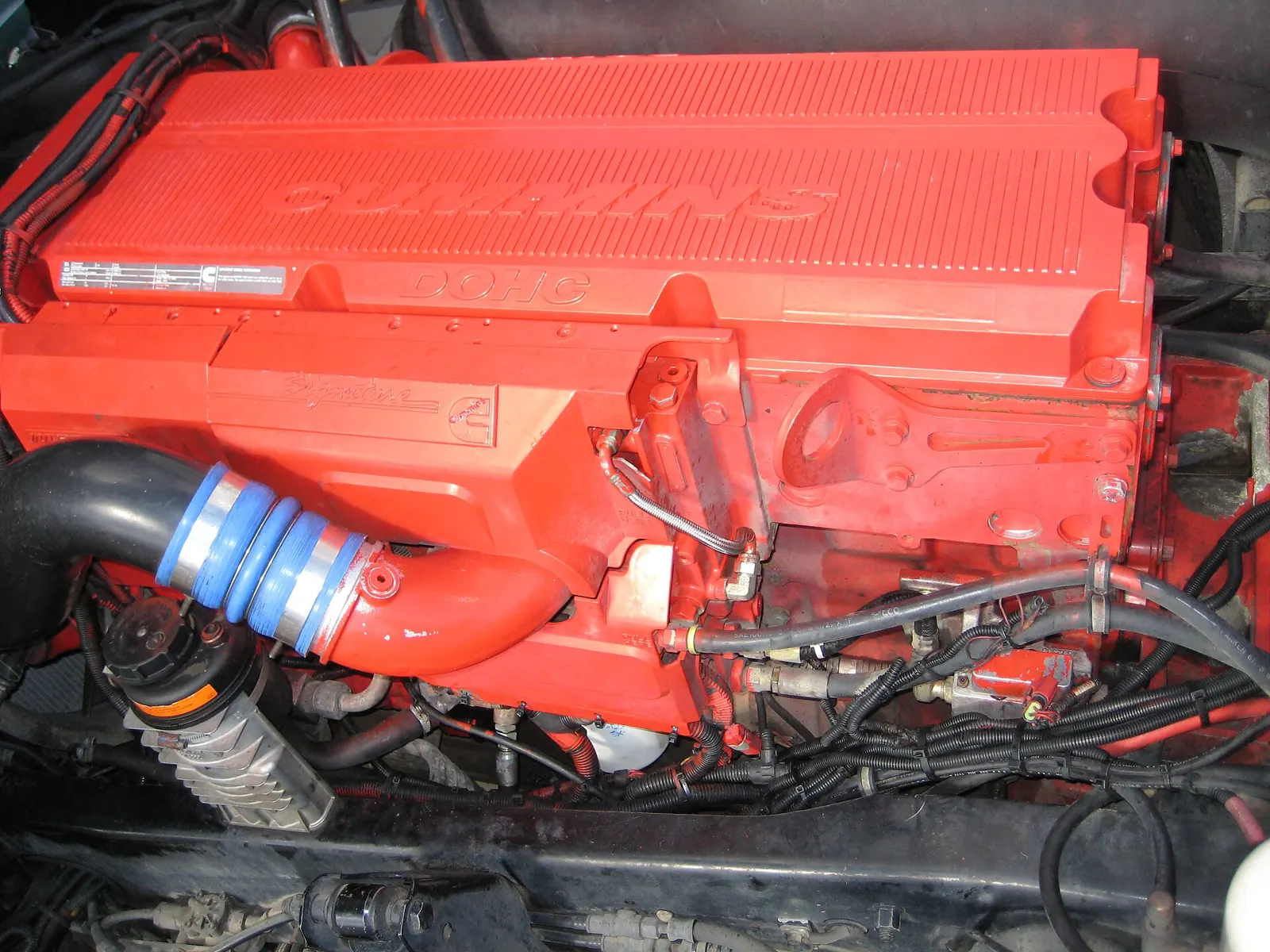
Cummins L9 at a glance
- Displacement
- 8.9 L (about 540 cu in)
- Configuration
- Inline 6-cylinder, high-pressure common-rail fuel system
- Typical horsepower range
- About 260 to 450 hp depending on application and rating
- Production era
- 2017 model year to present (succeeded the ISL9)
- Emissions / aftertreatment
- GHG17 and later; cooled EGR, VGT turbo, DOC, DPF and SCR (DEF)
- Common applications
- Class 6-8 vocational trucks, refuse, fire apparatus, school and transit bus, motorcoach
Identification
How to identify your L9
Read us the ESN and CPL from the Cummins dataplate on the engine, usually on the rocker/valve cover area. The ESN can also be read from the ECM.
The L9 is built for many vehicle types, so the application matters as much as the ESN. Tell us the vehicle make and model, and whether it is a truck, bus, fire apparatus or refuse body.
- ESN and CPL from the dataplate
- Vehicle make, model, year and VIN
- Application: truck, refuse, fire, school bus, transit or motorcoach
- Transmission (often an Allison automatic in this class)
01L9 vs ISL9 vs ISL
The ISL9 (8.9 L) was the predecessor, used from the 2007-2010 emissions era until the L9 name took over. Earlier ISL engines were a different displacement. An L9 and an ISL9 share a lot of base architecture, but ECM, calibration and aftertreatment differ, so a used L9 is not a direct swap into an ISL9 vehicle without planning.
02Application-specific builds
An L9 in a refuse truck, a fire pumper and a school bus can have different ratings, cooling packages, fan drives, PTO provisions and flywheel housings. The CPL captures most of this. Matching the CPL, or at least the same application family, keeps brackets, plumbing and calibration from becoming a problem.
03Aftertreatment and ECM setup
The L9 runs a full DPF and SCR system with sensors that the engine ECM monitors. A used L9 usually needs to be programmed to your VIN and vehicle options. If your vehicle's aftertreatment was damaged in the same event that killed the engine, tell us; it changes what you need quoted.
Before you buy
Questions to ask about a used L9
- What vehicle and application did this L9 come from?
- Does the CPL match my vehicle, or is it a different application build?
- Is the mileage or hour reading documented?
- Is an oil analysis or running video available?
- Does it come with the ECM, harness, turbo and EGR components?
- Is any aftertreatment included?
- Is a core required, and what are the core conditions?
FAQ
Cummins L9 questions
Is the L9 the same as the ISL9?
The L9 is the successor to the ISL9 and shares the 8.9-liter displacement, but controls, calibration and aftertreatment differ. Quote the engine your vehicle was built with.
Will a bus L9 work in my truck?
Possibly, but bus, fire and truck builds can differ in rating, accessories and housings. We match by CPL and application to reduce rework.
Does the L9 use DEF?
Yes. The L9 uses SCR with DEF along with a DPF and cooled EGR.
Where is the CPL on an L9?
On the Cummins engine dataplate with the ESN. If the plate is damaged, the ESN can be read from the ECM and the build looked up from there.
What horsepower is my L9?
L9 ratings span roughly 260 to 450 hp across applications. Your exact rating is on the dataplate or in the ECM.
More Cummins engines
Trucks that may use the L9
Ready when you are
Looking for a Cummins L9? Send the serial number.
Have your engine serial number, CPL and VIN handy. If you don't, we'll help you find them.
Commercial-Engines.com is an independent supplier of used commercial truck engines and transmissions. Manufacturer names, model names and part numbers are used for identification only and do not imply affiliation with, or endorsement by, any manufacturer. Read the full disclaimer.