
PACCAR MX-13
Used PACCAR MX-13 Engine for Sale
The MX-13 is PACCAR's 12.9-liter engine, offered in Kenworth and Peterbilt trucks since the 2010 emissions era. Send us your engine serial number and truck VIN and we search supplier sources nationwide for a matching used MX-13.
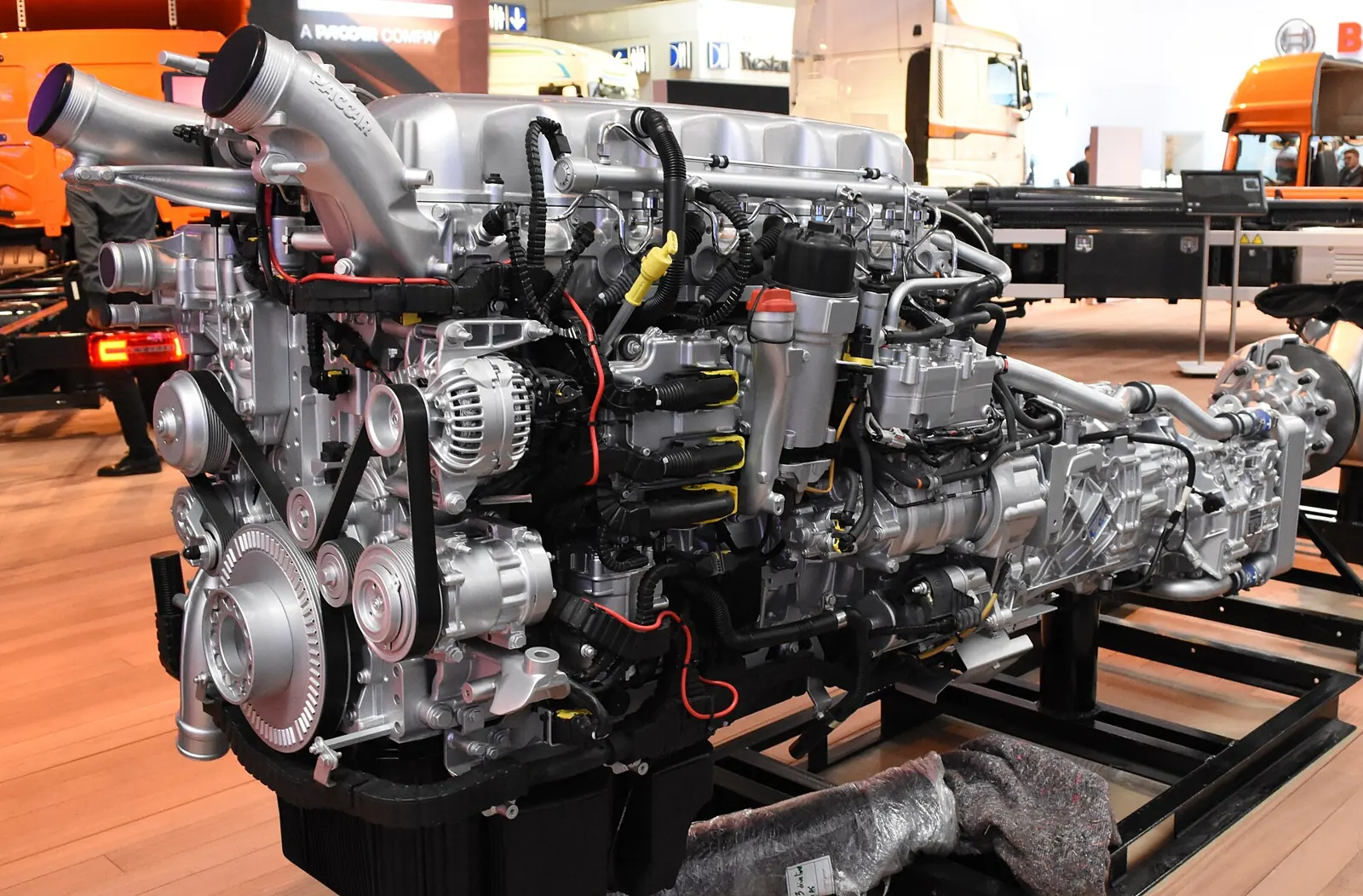
PACCAR MX-13 at a glance
- Displacement
- 12.9 L (about 783 cu in)
- Configuration
- Inline 6-cylinder, compacted graphite iron (CGI) block, high-pressure common-rail fuel system
- Typical horsepower range
- About 380 to 510 hp depending on rating and year
- Production era
- North American launch with the 2010 emissions rules; still in production
- Emissions / aftertreatment
- Cooled EGR, VGT turbo, DPF and SCR (DEF); revised for GHG14, GHG17 and later rules
- Common applications
- Kenworth T680, T880, W990; Peterbilt 579, 567, 389
Identification
How to identify your MX-13
Read us the engine serial number from the PACCAR engine identification label on the engine. The serial number is also stored in the engine ECU and can be read with PACCAR Davie diagnostic software at a dealer or equipped shop.
The truck VIN matters as much as the engine serial number on an MX-13. Kenworth and Peterbilt build sheets record the engine rating, aftertreatment layout and transmission, and they separate an early EPA10 engine from a later GHG engine.
- Engine serial number from the engine label (or read from the ECU)
- Truck VIN, year and model (Kenworth or Peterbilt)
- Horsepower and torque rating
- Transmission: manual, Eaton automated, or PACCAR automated (TX-12)
01EPA10 MX-13 vs later versions
The first North American MX-13 engines were certified to the 2010 emissions rules. PACCAR has revised the engine several times since, for the 2014 and 2017 greenhouse gas rules and again with later updates, changing calibration, turbo, controls and aftertreatment hardware along the way.
Those revisions affect the ECU, harness connectors and the aftertreatment sensors the engine expects to see. Quote the same version the truck was built with. A later MX-13 into an early chassis, or the reverse, usually means wiring and programming work at the dealer level.
02Kenworth vs Peterbilt installations
The same base MX-13 goes into both brands, but the installation is not identical. Cooling packages, air intake routing, accessory brackets, exhaust and aftertreatment placement, and chassis harness routing differ by truck model and year. An MX-13 pulled from a T680 may need parts swapped to fit a 389.
Tell us exactly which truck the engine is going into. When the donor truck matches your model, the swap is far simpler.
03Engine brake and PACCAR automated transmission pairing
The MX-13 uses an integrated compression engine brake, and later trucks often pair the engine with the PACCAR automated transmission. Engine brake hardware and transmission communication are tied to the engine calibration, so confirm whether the engine brake components are on the engine and whether your truck has a manual or automated transmission.
04Freight and what ships with it
A dressed MX-13 typically ships on a pallet or engine stand by truck freight. Whether the turbo, ECU, harness, EGR cooler and front-end accessories are on the engine changes both the price and the freight class. Included components and freight are confirmed on your quote.
Before you buy
Questions to ask about a used MX-13
- What year and emissions version is this MX-13, and does it match my truck's build?
- Did it come out of a Kenworth or a Peterbilt, and which model?
- Is the mileage documented with an ECU report or the donor truck's VIN and odometer?
- Is an oil analysis report available?
- Is there a running video with a cold start and the engine brake operating?
- Does it come with the ECU, engine harness, VGT turbo and EGR cooler?
- Is any aftertreatment included, or is it engine only?
- Is a core required, and what condition must the core be in?
FAQ
PACCAR MX-13 questions
Will any MX-13 fit my Kenworth or Peterbilt?
Not automatically. The MX-13 changed across emissions years, and installations differ between truck models. We match by engine serial number and truck VIN, and the supplier confirms fitment details on your quote.
Is the MX-13 related to DAF engines?
Yes. The MX-13 comes from the DAF MX engine family used in Europe, adapted and built for North American Kenworth and Peterbilt trucks.
Where do I find the MX-13 serial number?
On the PACCAR engine identification label on the engine. If the label is missing, a shop with PACCAR Davie software can read it from the ECU.
Can I swap an MX-13 into a truck that had a Cummins?
That is a repower, not a replacement. Mounts, cooling, wiring, the ECU and aftertreatment all change. Most owners quote the engine the truck was built with.
Do I need dealer programming for a used MX-13?
Usually. A used ECU generally has to be programmed to your truck's VIN and options using PACCAR software. Plan for that with your shop.
Does the MX-13 use DEF?
Yes. North American MX-13 engines use SCR with DEF along with a DPF and cooled EGR.
More PACCAR engines
Ready when you are
Looking for a PACCAR MX-13? Send the serial number.
Have your engine serial number, CPL and VIN handy. If you don't, we'll help you find them.
Commercial-Engines.com is an independent supplier of used commercial truck engines and transmissions. Manufacturer names, model names and part numbers are used for identification only and do not imply affiliation with, or endorsement by, any manufacturer. Read the full disclaimer.